

EndoTech manufactures surgical instruments in Sialkot, Pakistan through a controlled production process that combines stainless steel selection, forging, machining, skilled hand work, setting, hardening, polishing, measurement and final inspection. This manufacturing capability supports international buyers, including USA importers, distributors and medical supply companies.
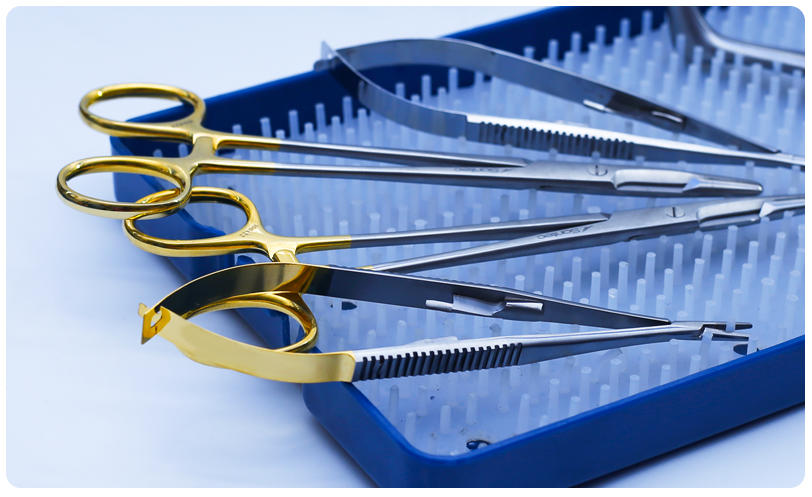
EndoTech's manufacturing strength comes from the combination of material selection, precision machinery, experienced craftsmen, process knowledge, measurement and final inspection. The company's current manufacturing description also highlights continuous research, production-technique development and customer-focused inventory coordination.
The production route can include stainless-steel selection, forging, hammer work, milling, hand making, setting, vacuum furnace hardening, polishing, measurement and final inspection. The exact sequence varies according to the instrument.
This page is intentionally focused on how EndoTech manufactures surgical instruments: its production stages, machinery, craftsmanship, quality checkpoints and manufacturing capacity.
OEM, ODM and private-label buyers can use their dedicated service pages for sourcing intent, while this page explains the manufacturing capability behind those services.
Learn more about the company on About EndoTech .
EndoTech's current company information states that it serves hospitals, distributors and healthcare brands in more than 55 countries and has long-standing relationships with wholesale distributors and medical supply companies in the United States.
For an importer or distributor, manufacturing strength is more than production equipment. The supplier must be able to turn product requirements into a controlled production plan and maintain the agreed manufacturing requirements through inspection and delivery.
EndoTech's current company information states that it serves international buyers across more than 55 countries and has long-standing wholesale and medical supply relationships in the United States.
Production volume depends on instrument type, manufacturing complexity, SKU mix and the buyer's order plan. For normal B2B production planning, a run can be organized around hundreds to several thousand instruments, while larger multi-SKU programs can be scheduled across multiple production batches.
Appropriate for specialized instruments, smaller SKU quantities, sampling programs and selected repeat production orders.
Suitable for established instrument SKUs and repeat importer or distributor purchase programs.
Multiple instrument types can be planned as a larger production program according to the product list, quantities and manufacturing requirements.
Surgical instruments pass through multiple manufacturing stages. Each stage contributes to the geometry, function, surface condition and consistency of the finished instrument.
EndoTech combines industrial machinery with experienced craftsmanship. Machine-based operations support repeatable geometry, while specialist manual operations are used where detailed hand control is required.
The production sequence can include forging, machining, hand making, setting, hardening, polishing, measurement and inspection. The exact route depends on the instrument.
For USA importers, this process provides visibility into the manufacturing capability behind the instruments being sourced.
Learn About Surgical Instrument Care →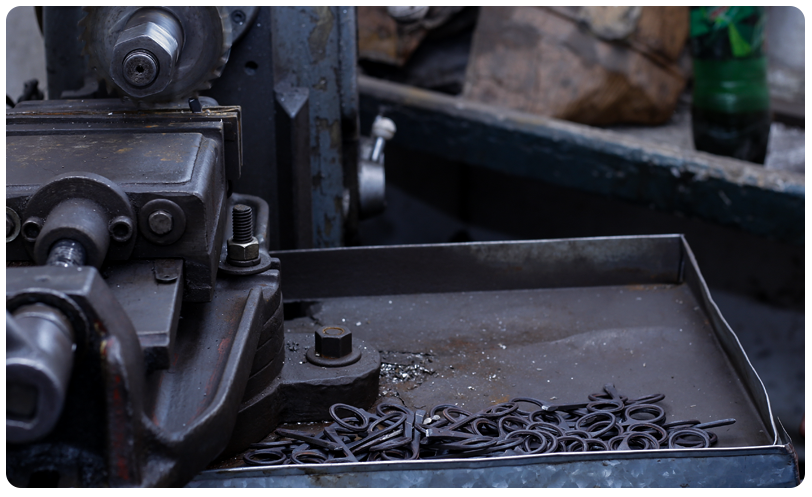
The exact manufacturing route varies by instrument, but the following stages represent the core capabilities shown in EndoTech's current manufacturing description.
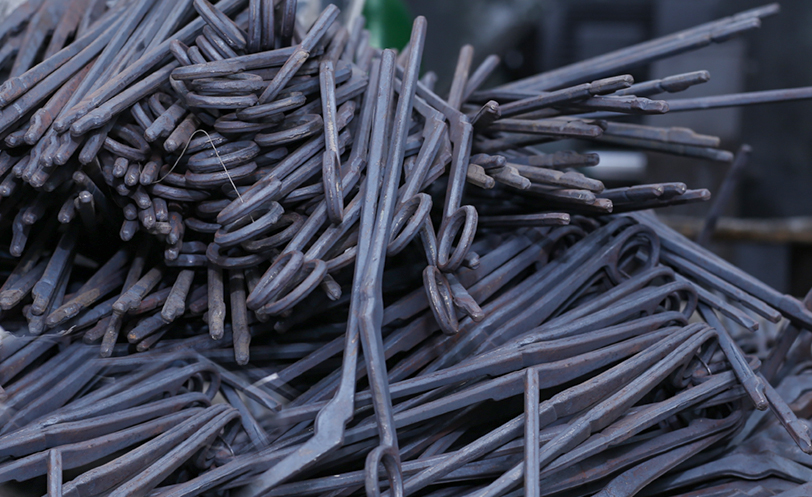
Forging creates the starting form of applicable surgical instrument components. The material is shaped into the required general profile before detailed machining and finishing.
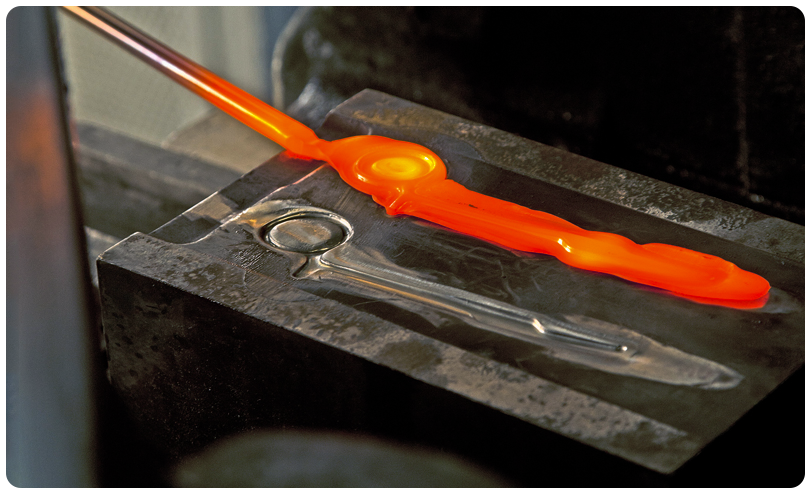
Hammer forging and controlled forming operations are used where required to establish the shape and section of the instrument component before later production stages.
Milling and precision machine work refine formed components and create defined surfaces, profiles, openings and other product-specific features.
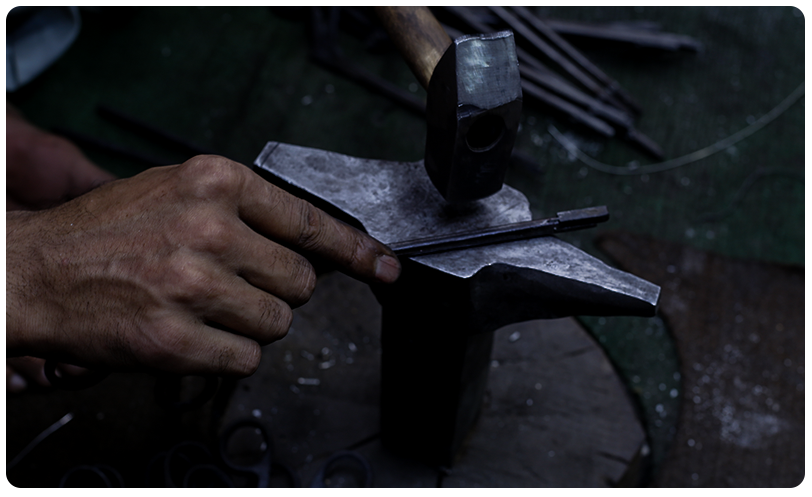
Experienced craftsmen complete detailed manual operations where hand control contributes to the instrument's form, working area and finishing requirements.
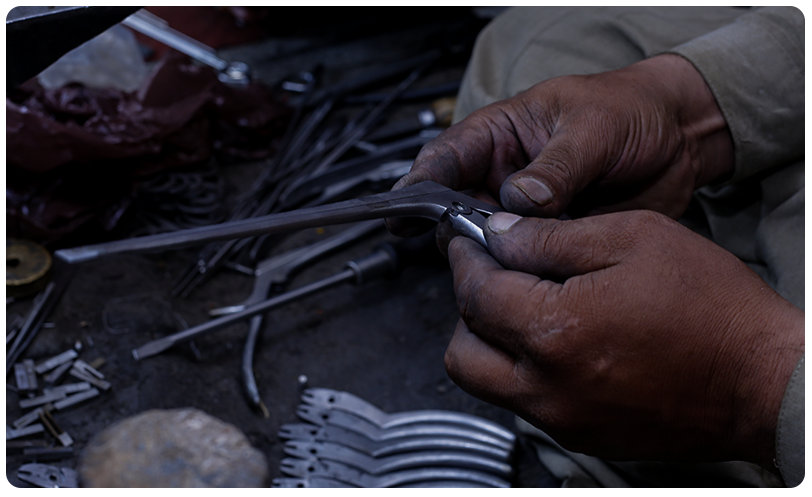
Setting operations position relevant components and working sections in the required relationship. For instruments with moving parts, this stage contributes to functional adjustment.
EndoTech's manufacturing approach combines production technology, skilled personnel and continuous research into manufacturing techniques. Quality control is integrated into the production flow rather than treated only as a final-stage activity.
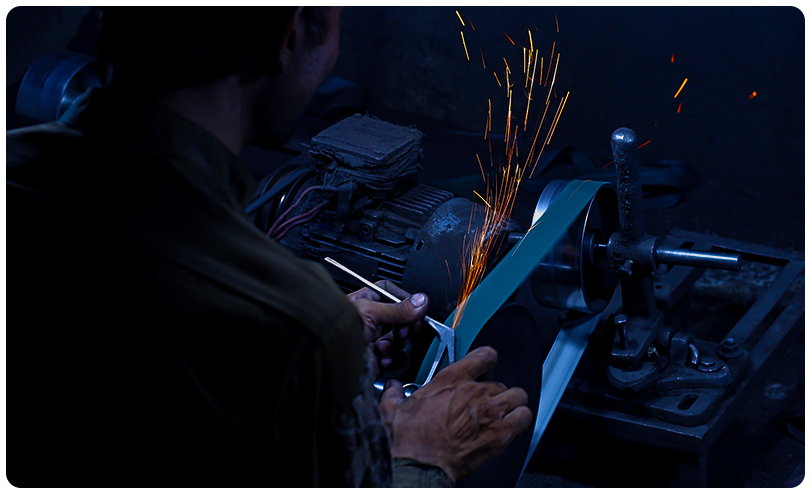
Polishing refines the instrument's surface and final appearance. Surface treatment is carried out according to the product's required finish and manufacturing requirements.
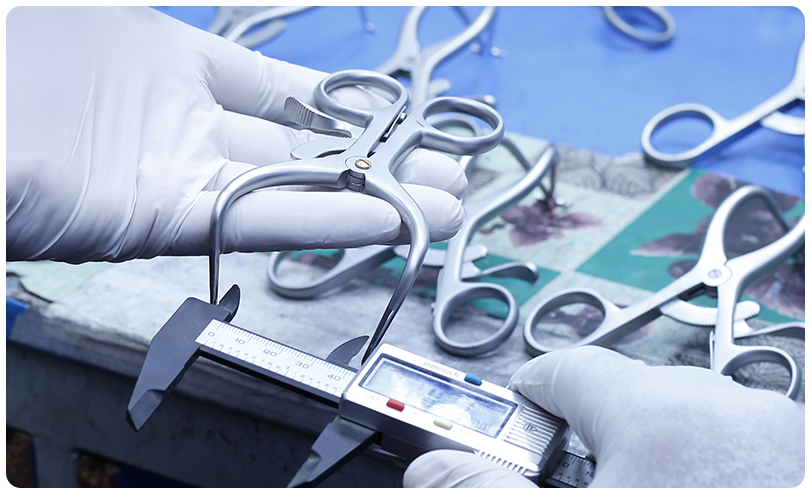
Measurement checks verify relevant dimensions and manufacturing details before the instrument reaches final inspection. This checkpoint is important where geometry, alignment or repeatability are critical.

Final inspection is the key release checkpoint before packaging and shipment. Finished instruments are reviewed against their applicable specifications, workmanship and finishing requirements.
EndoTech's current manufacturing description states that final inspection is carried out according to respective international standards and emphasizes experienced craftsmen, specialist personnel and continuous process development.
Appropriate material is selected before fabrication and manufacturing begins. Material requirements can be aligned with the instrument and its production specification.
Manufacturing and measurement checks are incorporated into production so that quality is not dependent only on the last stage of the process.
Instruments are reviewed for relevant workmanship, surface condition, geometry and other defined product requirements.
Before delivery, completed instruments pass through a final inspection according to their applicable requirements and production criteria.
USA importers can discuss product-specific documentation, labeling, regulatory and shipment requirements with EndoTech during quotation. EndoTech's company information includes U.S.-market experience and FDA registration at company level; exact regulatory scope should always be confirmed for the specific instrument and intended market.
Manufacturing strength comes from the ability to combine people, machinery, process knowledge, quality checks and coordinated production into one manufacturing system.
Suitable stainless steel is selected for applicable instruments before fabrication and processing.
Forging and hammer work support the forming of applicable surgical instrument components.
Milling and machine work establish defined features and controlled geometry where required.
Experienced craftsmen perform hand-making, setting and finishing operations.
Vacuum-furnace hardening is part of EndoTech's described manufacturing process for applicable instruments.
Surface finishing prepares instruments for the required final appearance and surface condition.
Instrument dimensions and relevant production characteristics can be checked during manufacturing.
Finished products pass through a final quality review before packaging and shipment.
EndoTech states that it continues product updates, research, development and improvements in production techniques.
The images below show key stages and manufacturing capabilities used throughout EndoTech's production environment.
These related pages connect the manufacturing process to EndoTech's product categories and sourcing services without changing the primary intent of this manufacturing page.
Answers focused on EndoTech's factory capabilities, production process and support for USA importers and international buyers.
Send your product list, target quantities, reference instruments or manufacturing requirements. EndoTech can review the project and discuss production, quality, packaging and delivery requirements for your U.S. import program.